

Climate Change
Amidst the apparent shift in corporate sentiment across the globe towards sustainability, Greatech acknowledges both its opportunity and responsibility to make a positive impact towards a more sustainable world. Our sustainable strategy has been meticulously planned and developed with the aim of achieving more than just profitable growth for our businesses. We aspire to create and promote long-term value for all our stakeholders, including our customers, vendors, the communities in which we operate, and most importantly, address the growing concerns regarding environmental matters.
Greatech has taken a proactive stance by committing to implementing, enforce, and reinforce energy efficiency measures at our facilities, thereby significantly reducing GHG emissions.
Given the nature of our business as one of the world’s leading automation solution providers, we are aware of the impact of our electricity consumption, which is the primary source of carbon emissions at Greatech. The electricity is primarily used for lighting, office equipment, ventilation and air conditioning (“HVAC”) systems, as well as for the manufacturing equipment.
In September 2023, Greatech has joined more than 3,900 companies worldwide to support the recommendations of the Task Force on Climate-Related Financial Disclosures (TCFD). As part of our efforts to deal with rising temperature challenges, we shall strive to align to TCFD disclosures in keeping with the complexity of our operations, climate risk and opportunities exposure. Greatech strongly believes the climate-related disclosures would enable us to minimise risk and maximise the opportunities in a climate-smart economy.
CARBON AND ENERGY-EFFICIENCY PROJECTS
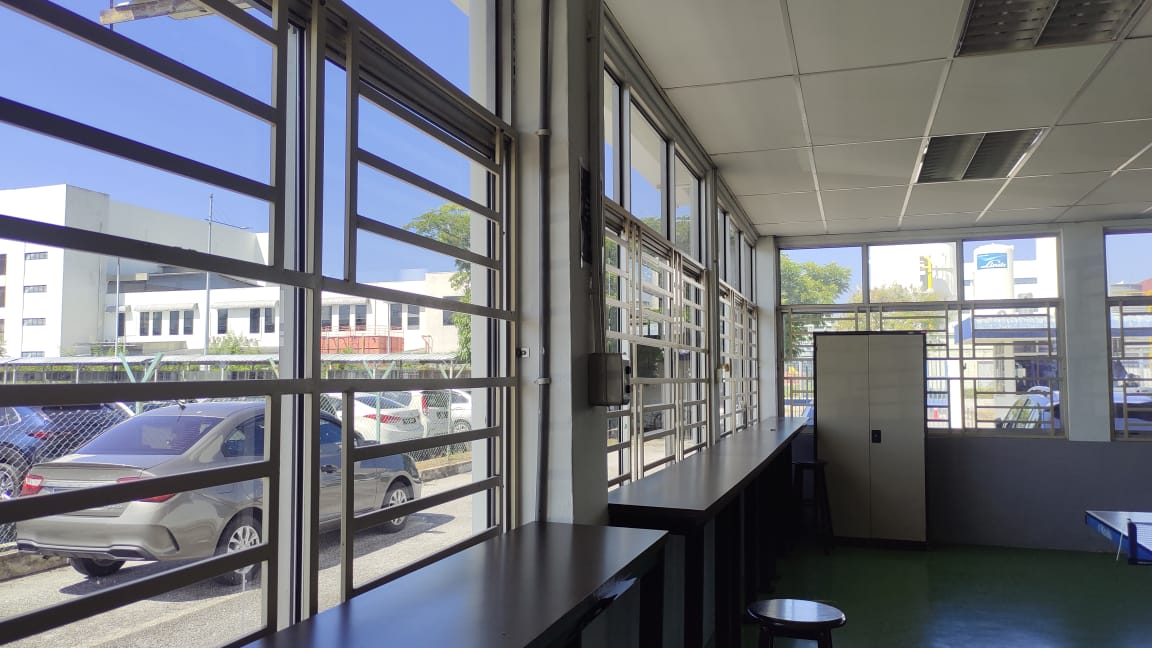
Natural Sunlight
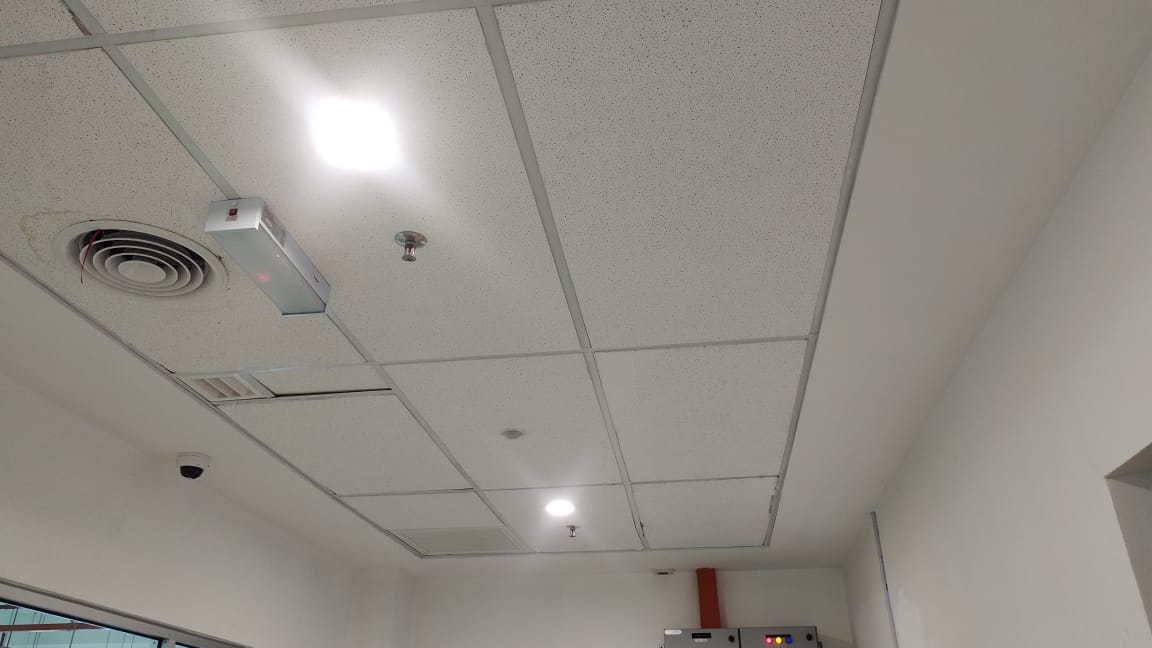
Energy-saving lightbulbs: LED Lighting
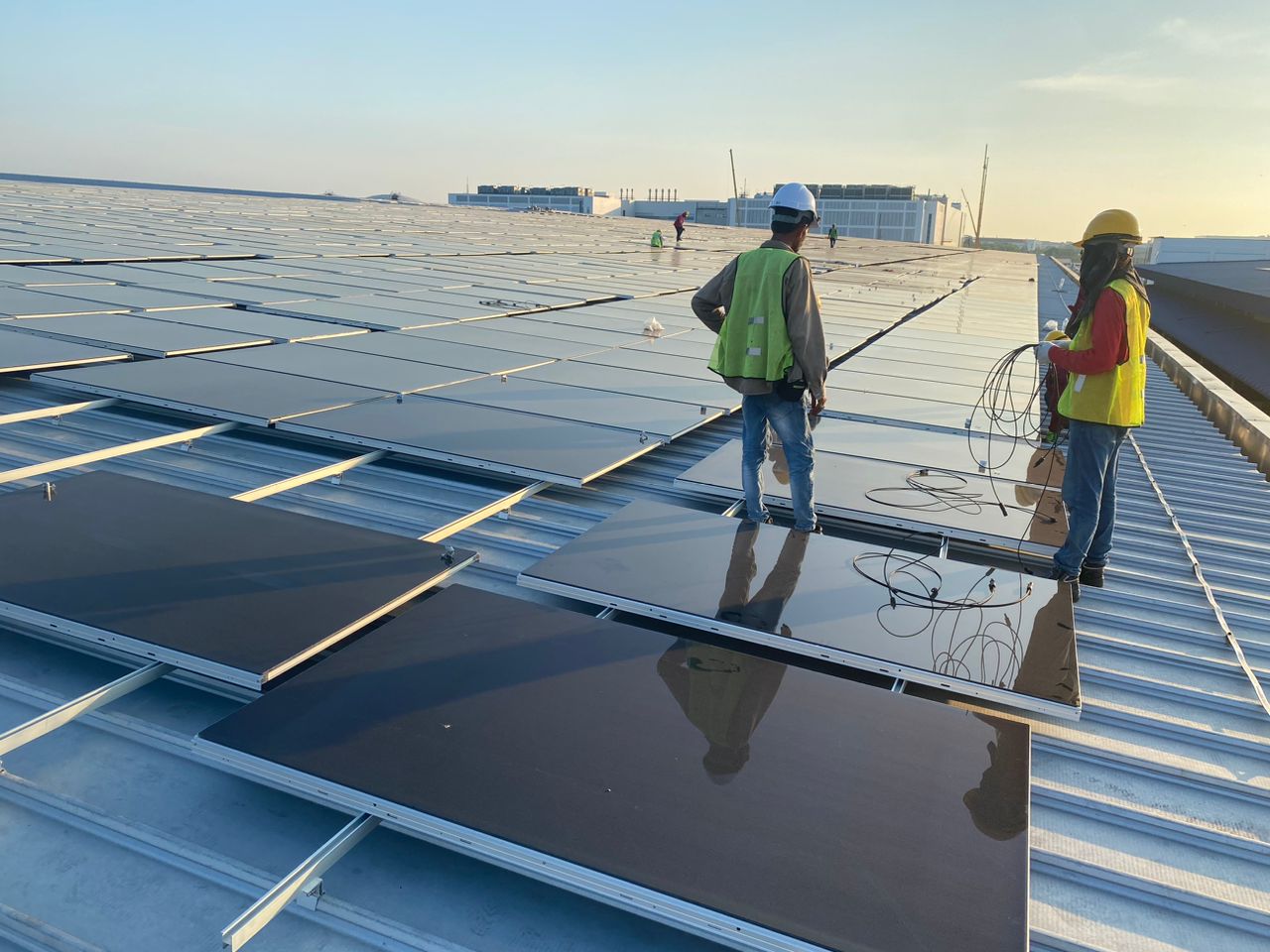
Solar Module Installation at BK1, BK2, BK4 as part of green energy initiative
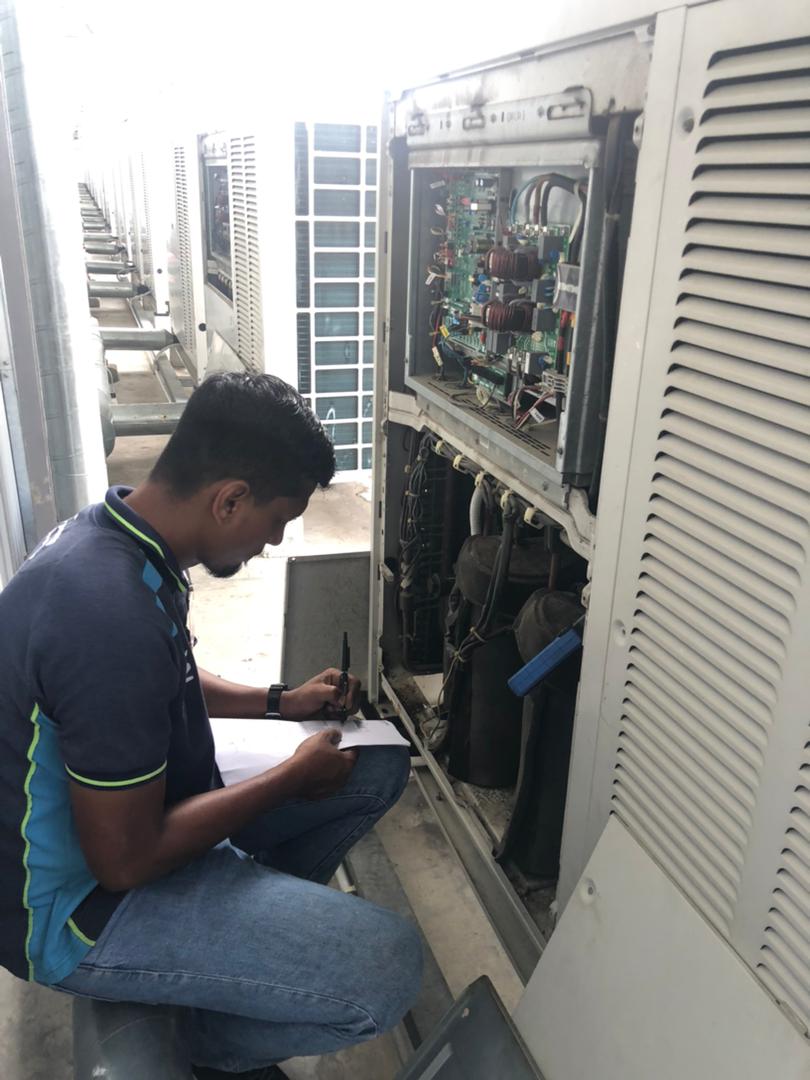
Inverter VRF for air-conditioning
WATER-SAVING PROJECT
To enhance water security at our facilities in Bayan Lepas and Batu Kawan, Penang, we have implemented rainwater harvesting and storage systems that serve as supplementary water sources in case of water disruptions, ensuring uninterrupted operations while reducing reliance on conventional water sources. FY 2025, Greatech’s installed rainwater harvesting system was able to harvest 61m³ of rainwater.
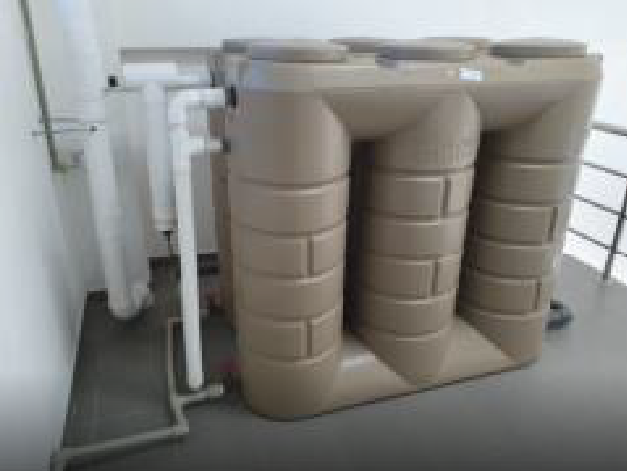
Rain harvesting tank to store rainwater for non-portable water reuse. |
WASTE MANAGEMENT
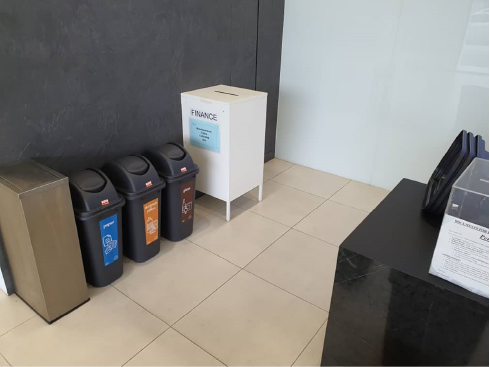
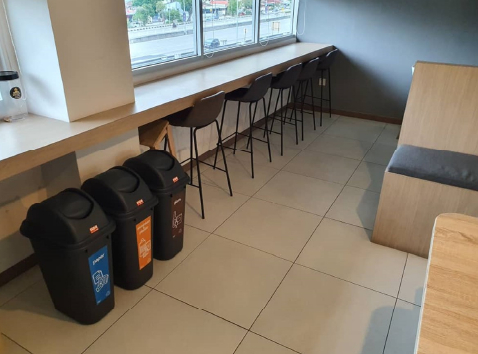
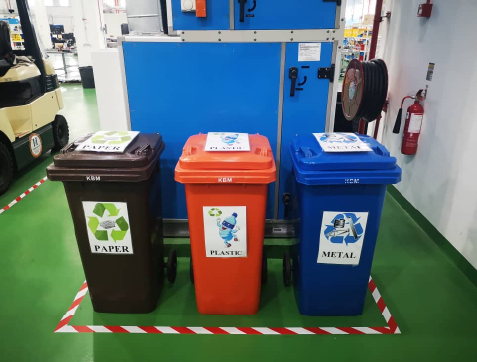
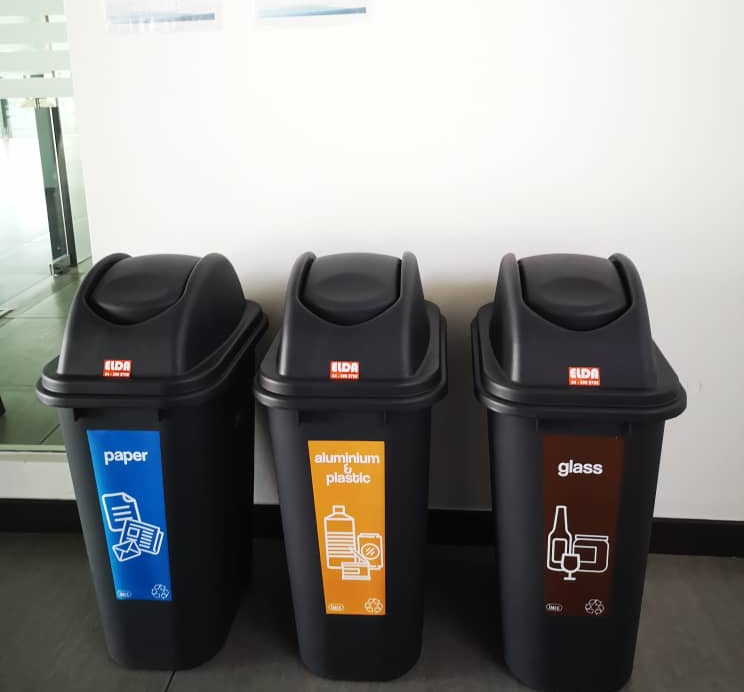
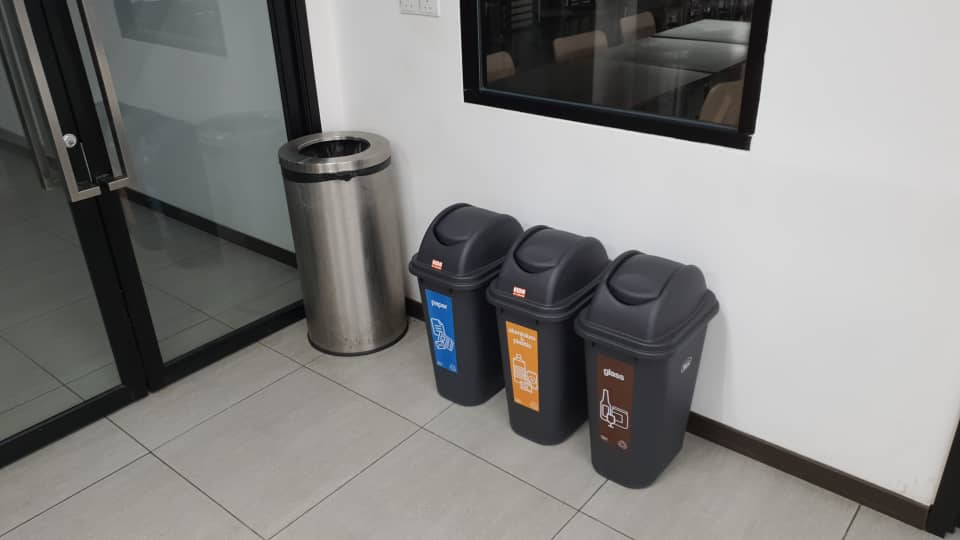
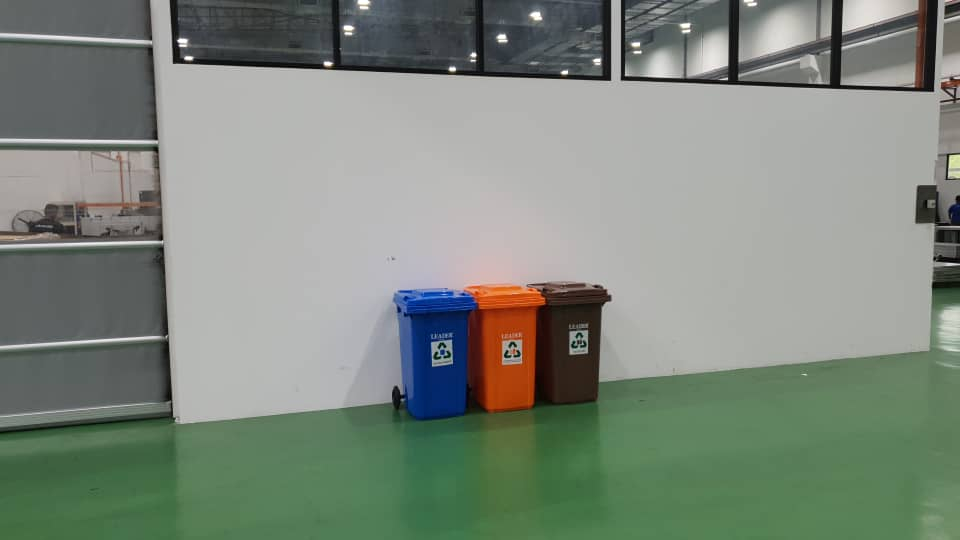
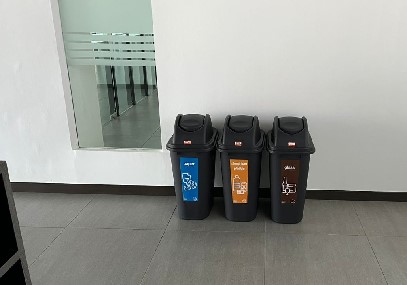
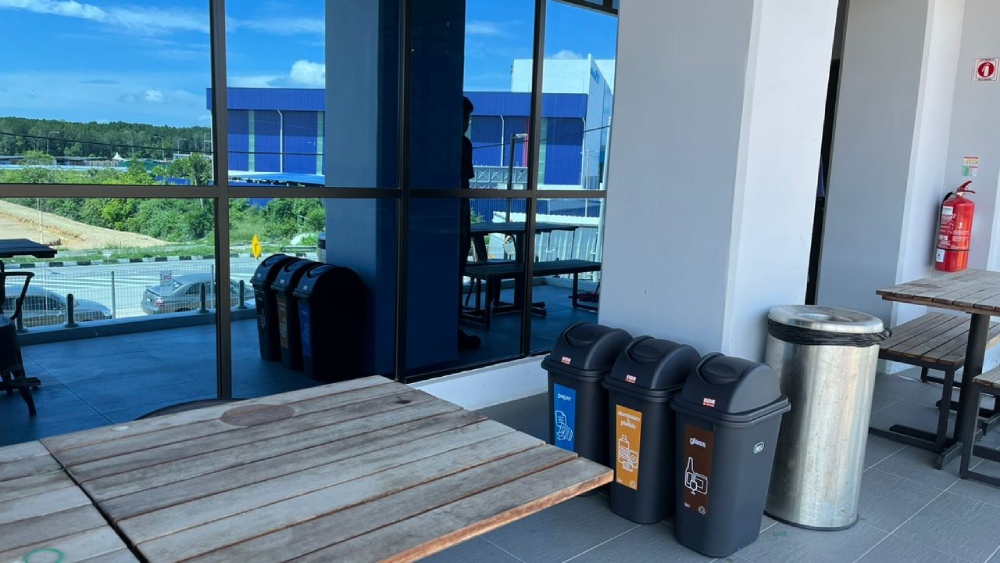
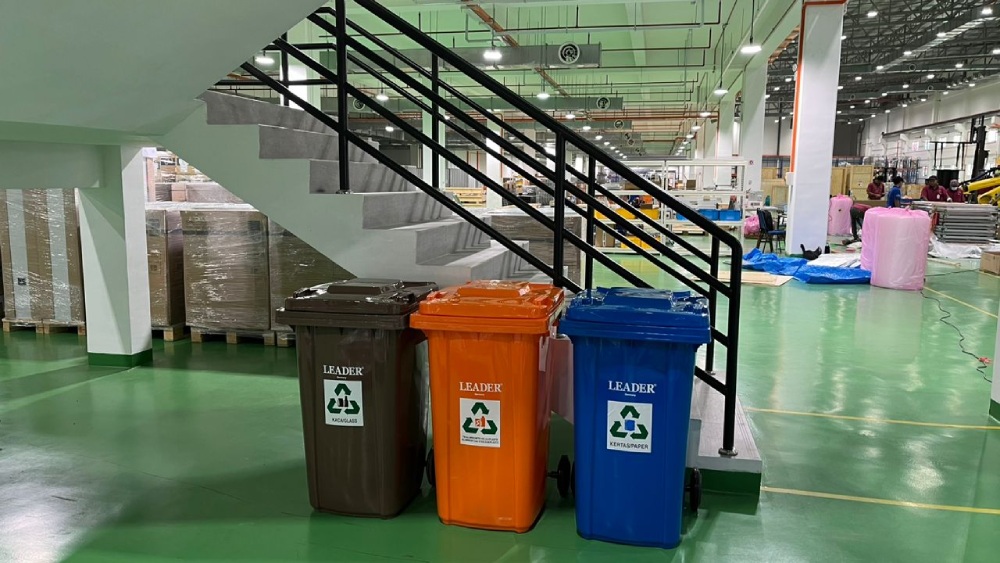
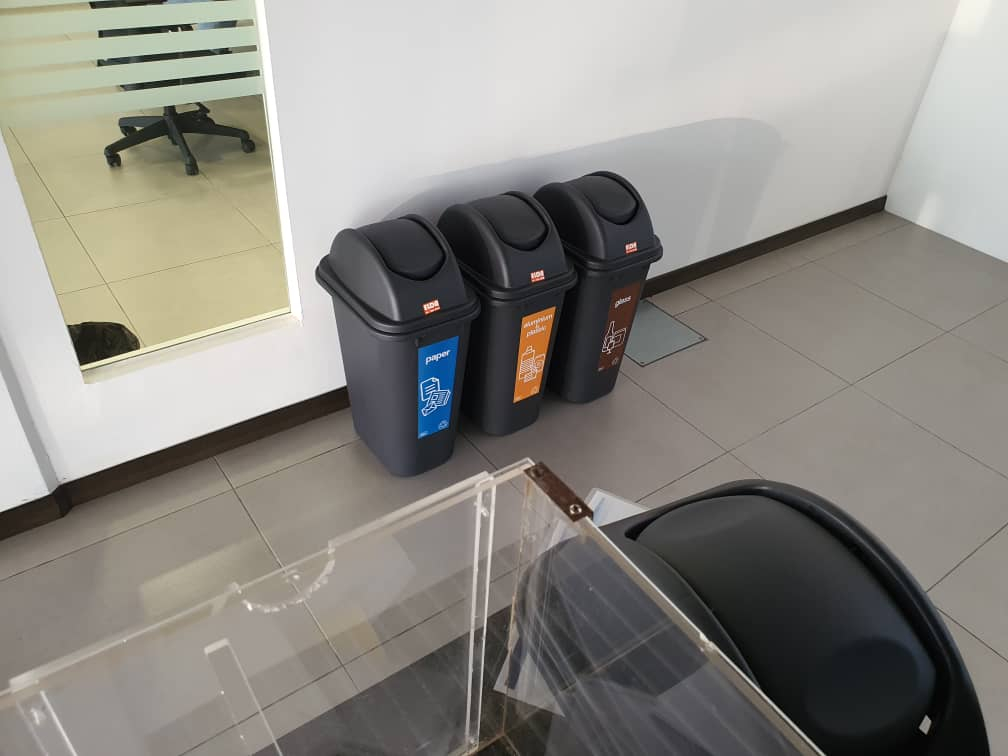
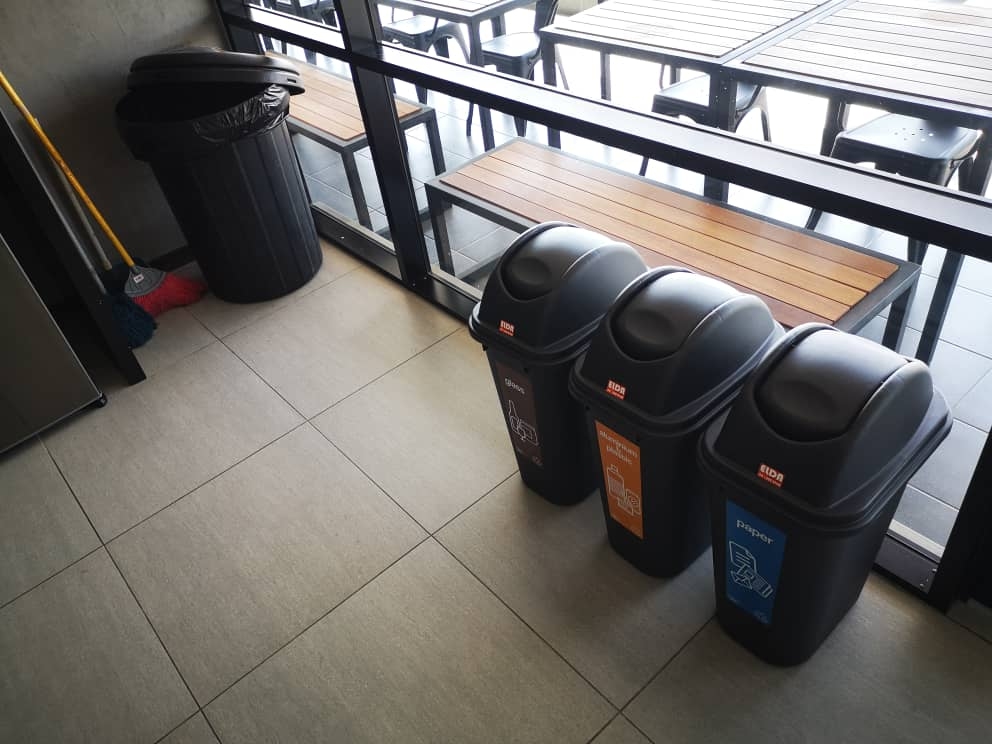
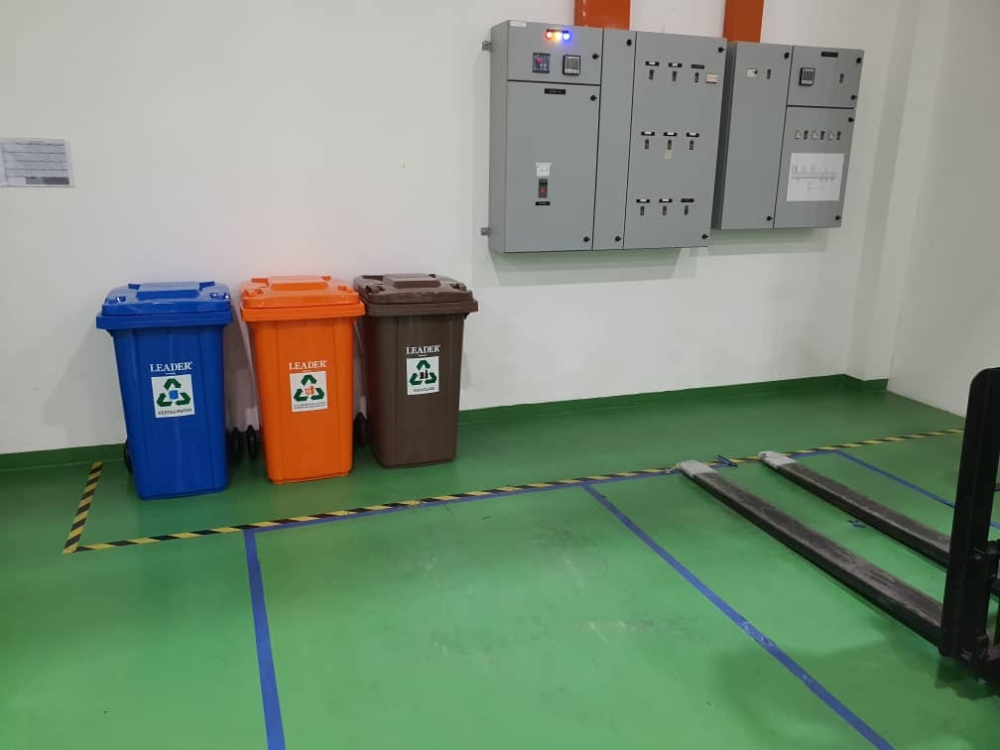
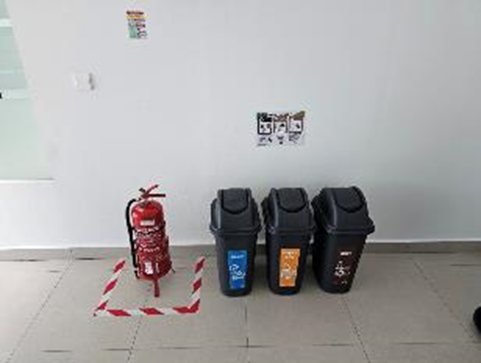
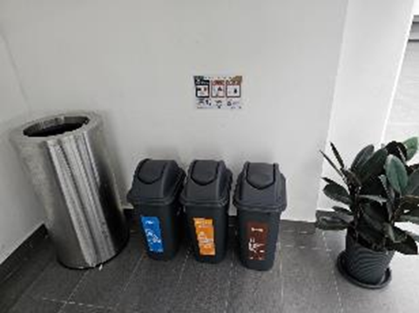
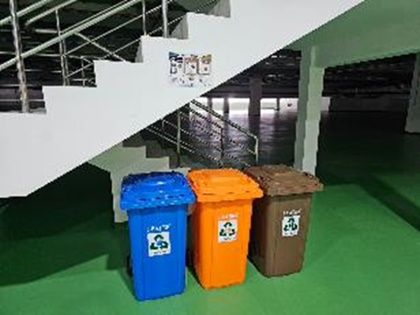
As part of our commitment to protect the environment, we have placed reasonable emphasis to reduce the production waste generated throughout its lifecycle and focus on the way we managed our waste.
Considering our business nature, majority of the waste generated is associated to the use of cutting oil and cooling lubricants during the metal fabrication and machining processes. Upon which, the mixed contaminated metal chips are managed and disposed of as scheduled wastes in accordance with the prescribed requirements under the Environmental Quality (Scheduled Wastes) Regulations 2005 and our internal policy and procedures.
Scheduled waste is waste with hazardous characteristics or can potentially adversely affect public health and the environment. Besides that, other non-hazardous wastes were also generated during the manufacturing process, including general solid waste, containers or drums, packaging materials, wood pallets, and any other recyclable material such as papers and cardboard boxes. Waste materials from production processes whether they are aluminium, mild steel or stainless steel are recyclable and can be reused in a circular fashion for other industrial companies. We strive to reuse or repurpose the packing and packaging materials such as wooden pallets and cardboard boxes as they are our most used commodities.
ENERGY MANAGEMENT
Energy and GHG Performance
Scope 1 & 2 Mitigation Strategies
We prioritise the transition to low-carbon technologies and energy efficiency:
- On-Site Renewable Energy (“RE”) Generation
Greatech continues to advance its RE strategy to reduce carbon emissions and support operational sustainability. In 2025, the Group utilised approximately 1.34 million kWh of RE, delivering an estimated 1,043 tCO2 savings. This was supported by 1.61 million kWh generated from on-site solar installations of one of our Malaysia facilities, demonstrating the tangible impact of our energy transition efforts.
As part of the Group’s climate transition strategy, we integrate solar PV feasibility into all facility expansion projects to preserve optionality for RE adoption and maintain strategic flexibility to accelerate emissions reductions as regulatory and commercial conditions evolve.
- Fleet Electrification
The Group is phasing out internal combustion engine (“ICE”) forklift in favour of battery-operated models progressively. In 2025, 77% of the Group’s material handling fleet was electric, supporting the decarbonisation of our logistics operations and aligning with the Group’s broader RE transition strategy.
- Vehicle Efficiency
Our corporate vehicle policy prioritises hybrid and electric vehicles (“EVs”). For remaining ICE assets, we enforce strict maintenance schedules and efficient driving protocols to minimise fuel consumption.
Scope 2 Reduction
As Scope 2 emissions are the Group’s primary emissions source, we focus on reducing electricity consumption through aggressive energy efficiency programmes and the continued scaling of RE sourcing across our manufacturing facilities.
Following our 100% LED conversion in 2024, we are optimising high-impact systems and behavioural decarbonisation to drive sustained reductions in energy intensity.
- Ventilation Air Conditioning (“VAC”) Set Point Management: Standardised thermal settings across all facilities in Malaysia to optimise cooling efficiency, our largest energy contributor.
- Compressed Air Governance: Deployed inverter-driven compressors with leak-prevention maintenance and mandatory shutdown protocols during non-operational hours.
- Smart Automation: Integrated building-design features (e.g. double-glazed insulation) combined with automated controls such as motion sensors and programmable timers to eliminate energy loss.
- Knowledge Sharing: Regular awareness sessions to disseminate energy-saving best practices.
Scope 3 Progress
In 2025, the Group maintained its established approach to identifying and calculating Scope 3 GHG, with continued focus on business travel and employee commuting at its Malaysia operations (GHG Protocol Categories 6 and 7).
- Category 6 (Business Travel) emissions were assessed across all Group subsidiaries, reflecting the Group’s global travel activities.
- Category 7 (Employee Commuting) emissions were quantified for Malaysia and Slovakia, where relevant data was available during the reporting period.
The Group will continue to monitor Scope 3 emissions from these subsidiaries and will incorporate them into future Scope 3 disclosures should such emissions are assessed to be material.
RESPONSIBLE PROCUREMENTS
We uphold stringent ethical standards for our suppliers. Our Supplier Code of Conduct establishes clear principles, including a zero-tolerance policy towards corruption, to ensure ethical purchasing. Our effort on responsible procurements includes but not limited to the following:
- Regular Supplier Audits using essential tool for evaluating supplier performance and practices, covering aspects,
- Continuous Improvement and collaboration with suppliers to address gaps or concerns,
- Responsible Sourcing by partnering with ethical suppliers to create a responsible and sustainable supply chain,
- Mitigating Risks through enforcing of ethical standards and conducting audits to ensure compliance and minimise potential harm, and
- Building Trust with suppliers.
At Greatech, in accordance with our Conflict Minerals Policy, we are committed to conduct socially responsible sourcing and does not support sourcing of conflict minerals originating from countries that are involved in or contributing to illegal armed groups, human rights violations, or financial wrongdoings. We do not purchase 3TG directly from the mines or smelters, which consists of cassiterite (tin), columbite-tantalite (tantalum), wolframite (tungsten) and gold and their derivatives that are mined in the Democratic Republic of Congo (“DRC”) or an adjoining country.